The Founders
Where it all began.
Immigrants who believed a small Clement Street dining room could change the way the Bay Area ate. Thirty years later, that belief feeds thousands every week.
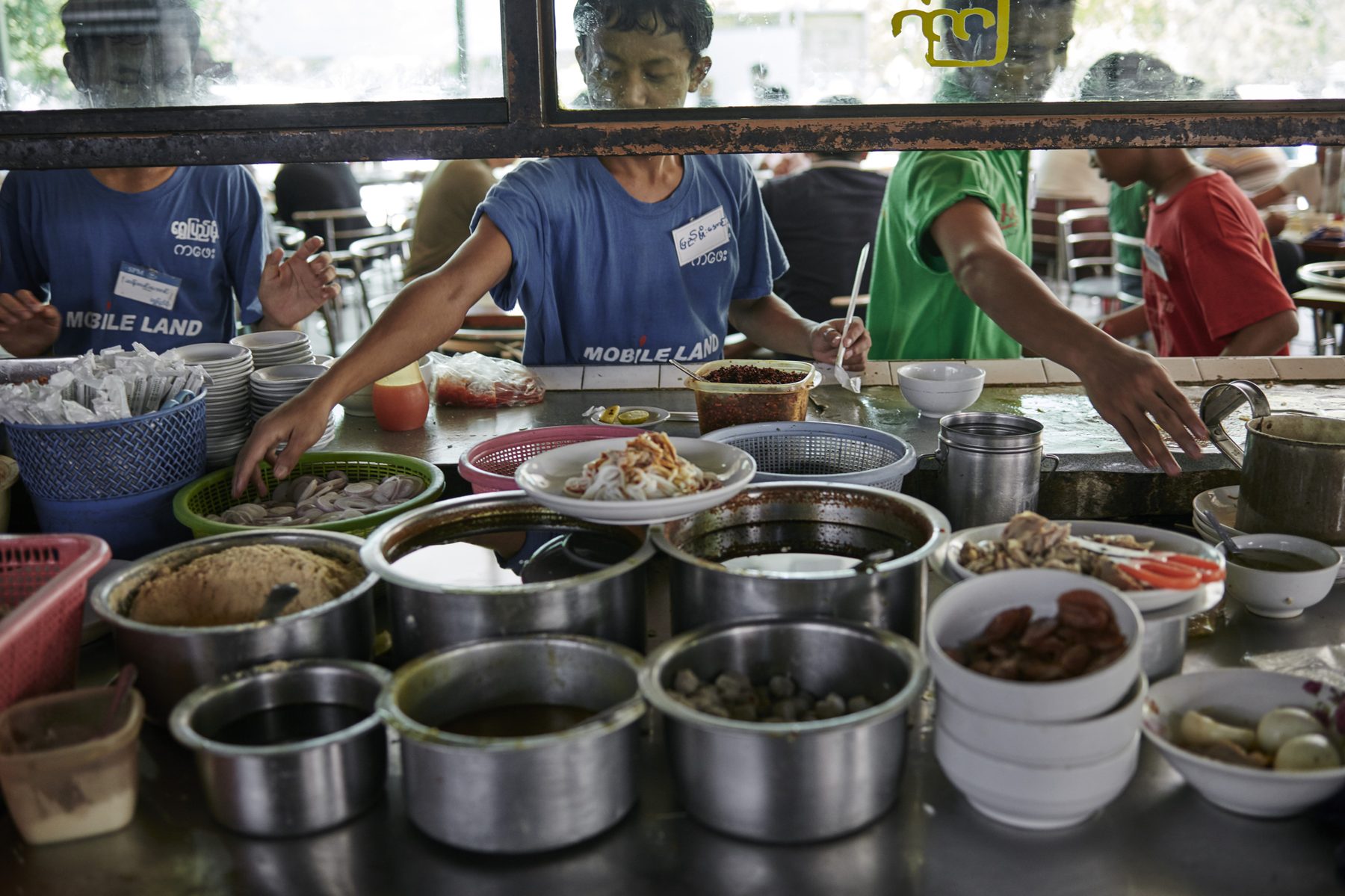
A story of family, culture, and hospitality.
A family carries the recipes, traditions, and flavors of Burma across the ocean — and a belief that food can connect people and cultures.
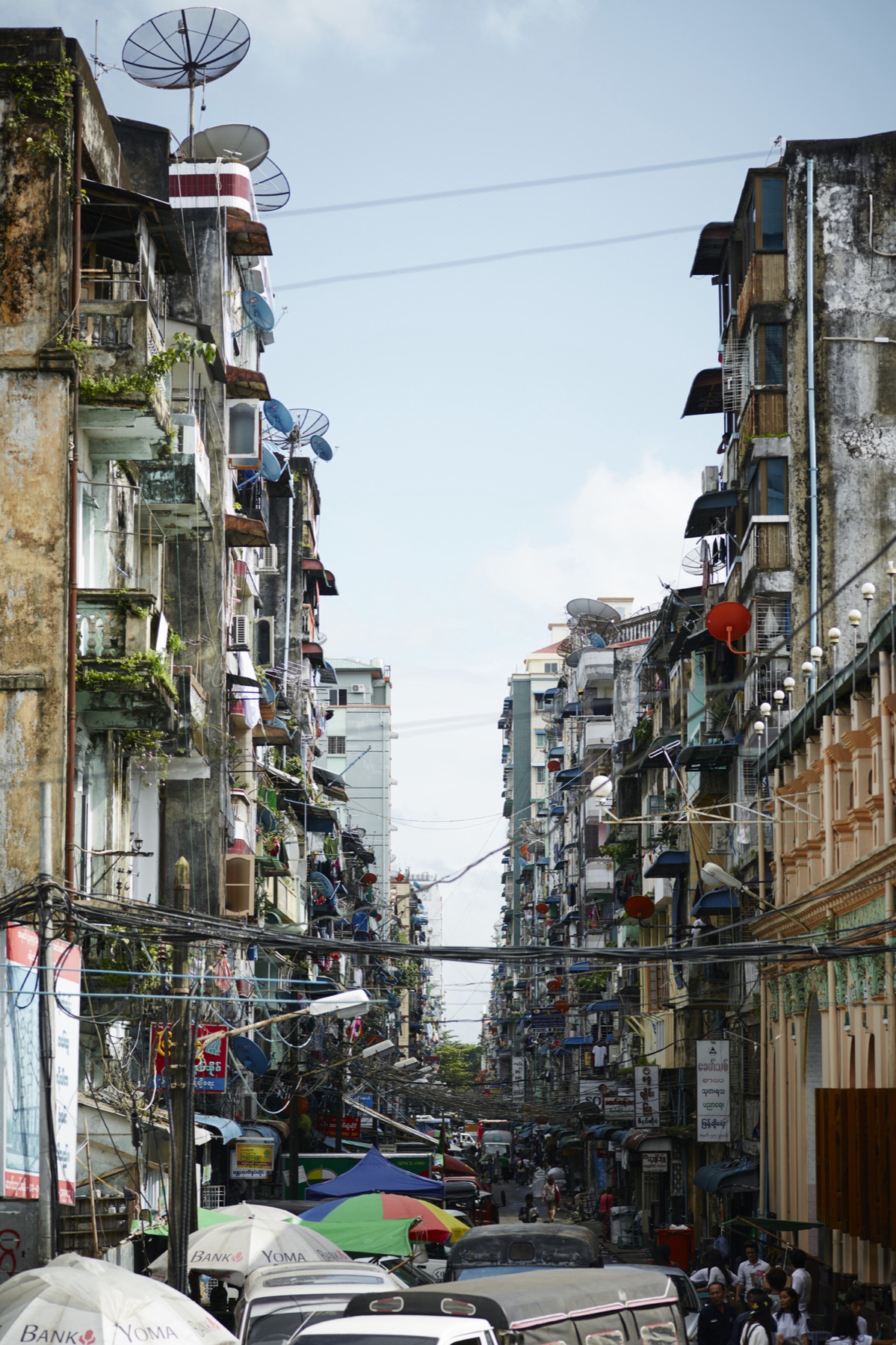
Burma Superstar opens its doors on Clement Street in San Francisco — a tiny space, a big dream, and a tea leaf salad that would become iconic from day one.
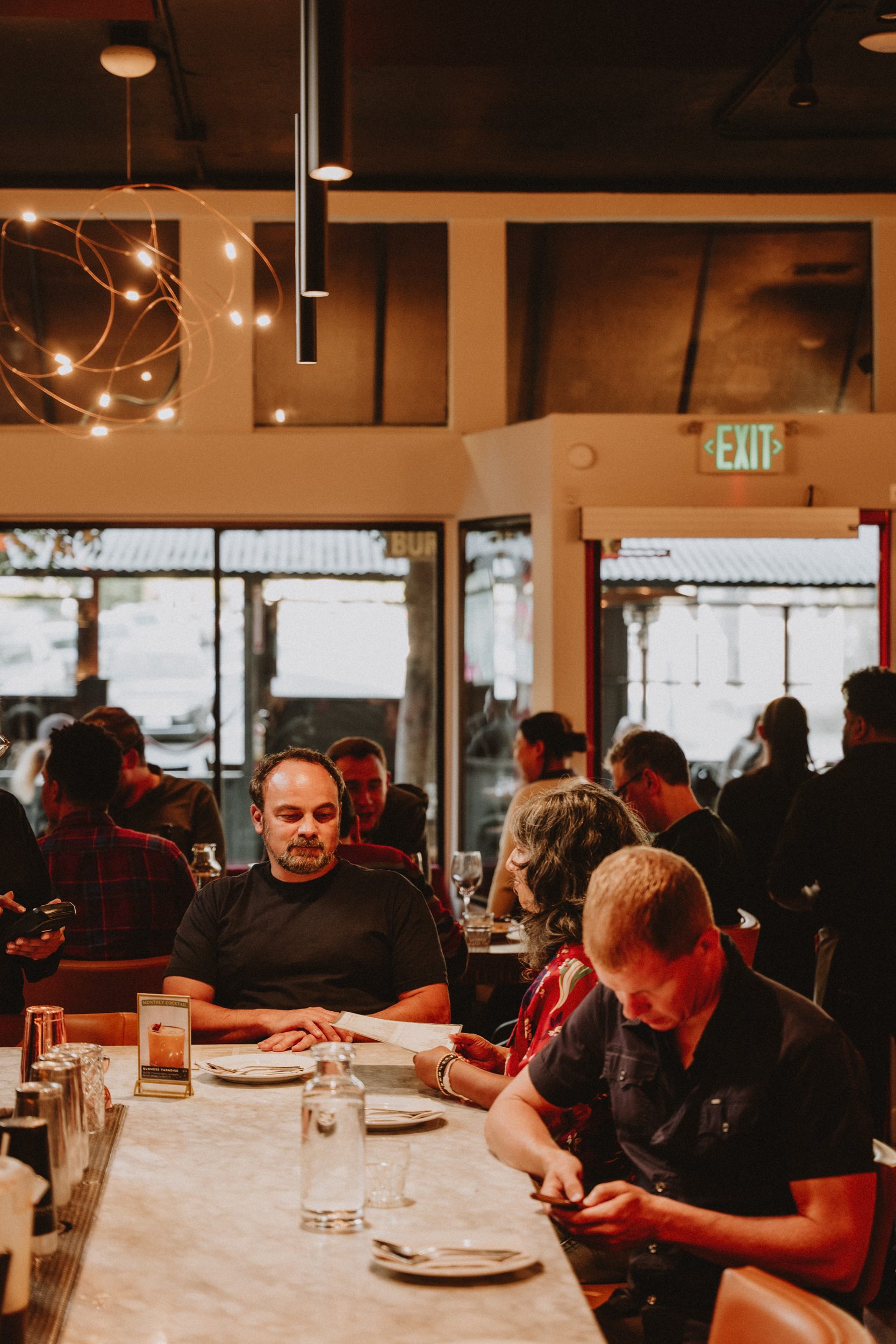
The line stretches down Clement Street. Word spreads, critics take note, and Burma Superstar becomes the restaurant that introduced Burmese cuisine to a generation of Bay Area diners.
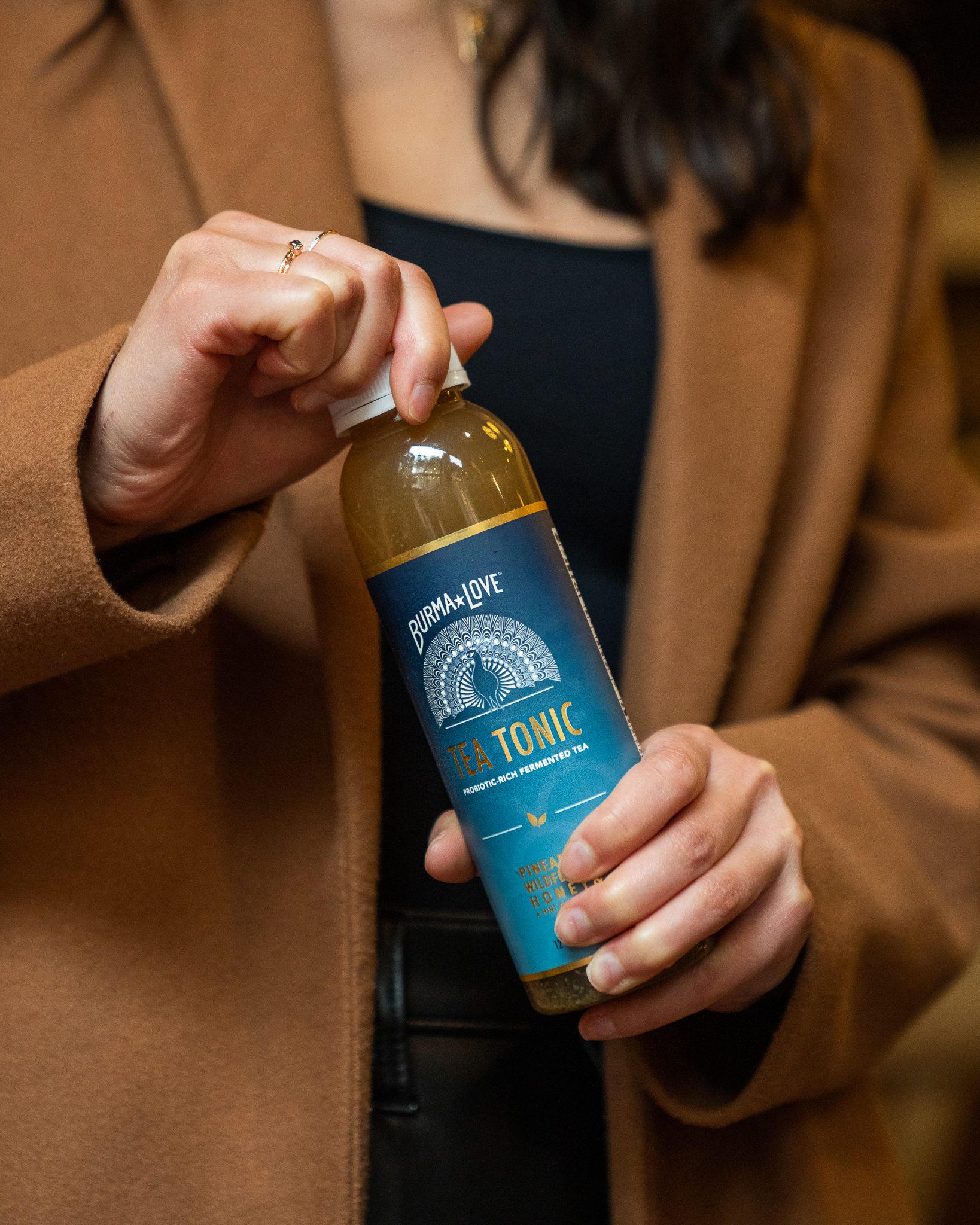
Burma Love opens in the Mission, and in 2014 we complete the first legal import of fermented Burmese tea leaves into the United States — then bring those flavors home with Burma Love Foods.

From a single dining room to a family of restaurants, bars, and pantry products across the Bay Area — and a commitment to the community that welcomed us home.
For years, Thai, Vietnamese, and Chinese food were the familiar faces of Asian cuisine here. Yet very few diners had ever tasted the cuisine of Burma — a crossroads of South and Southeast Asia where Indian spice, Chinese technique, and Thai brightness meet a flavor all their own.
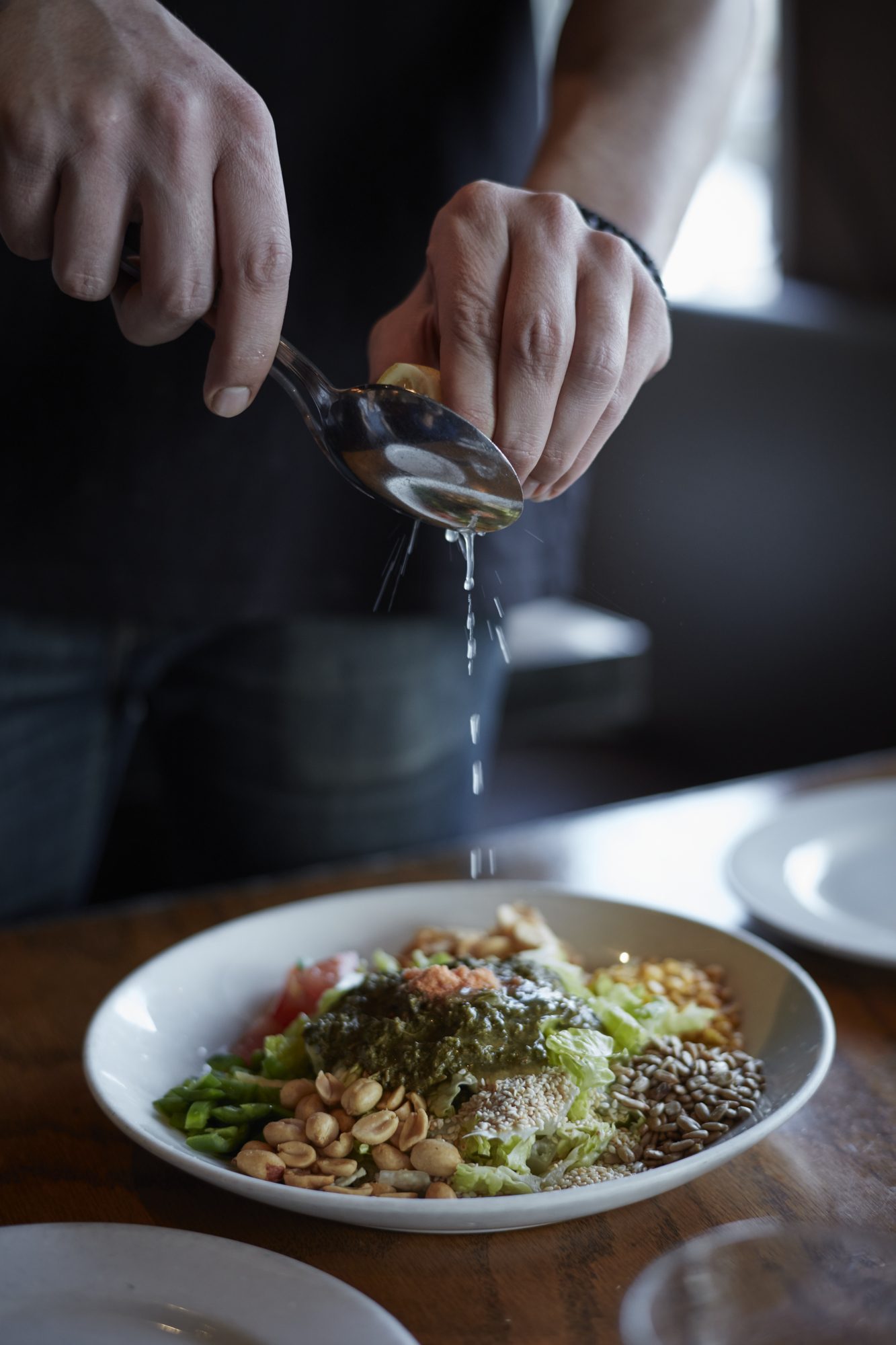
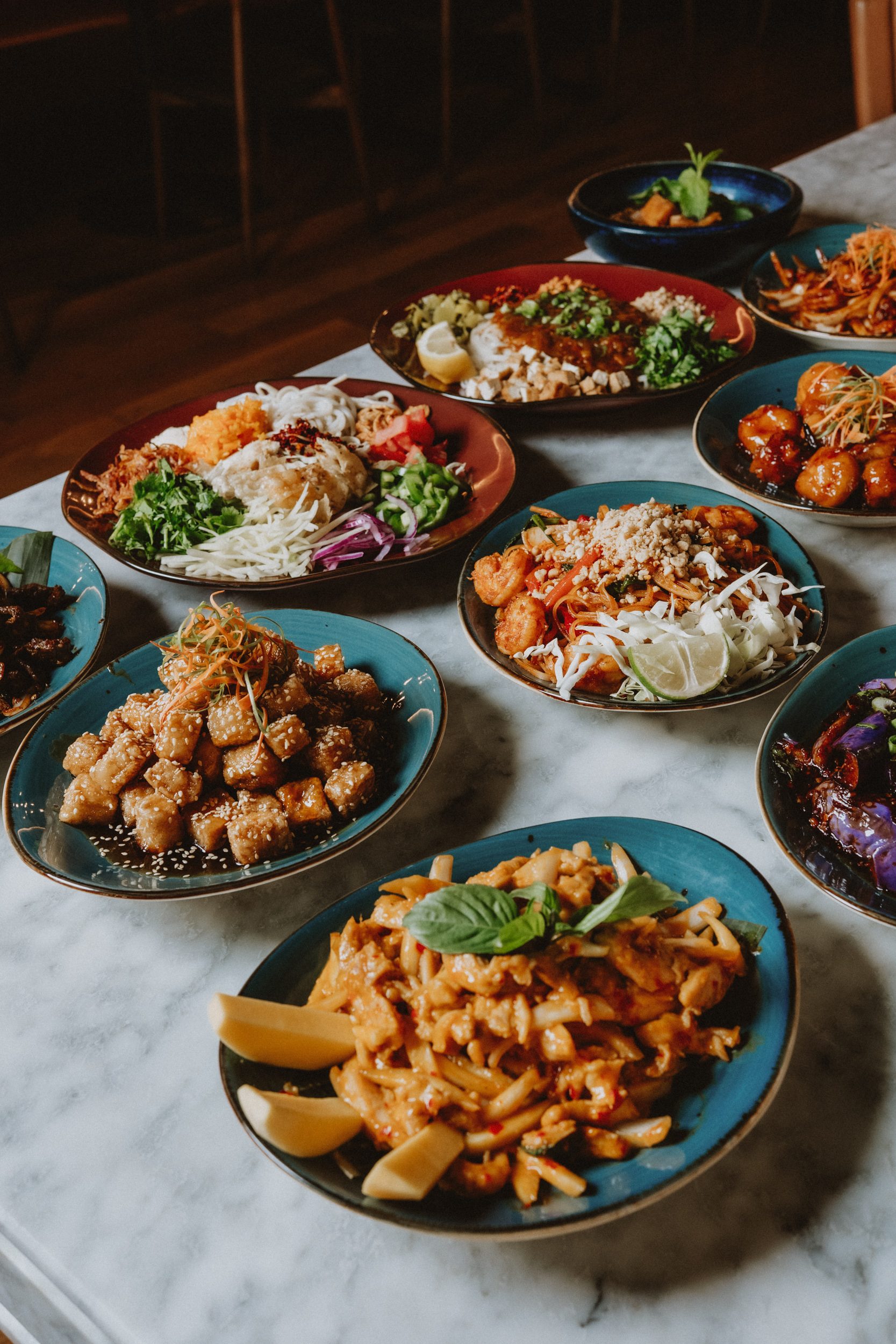
We set out to change that — to share fermented tea leaf, golden split-pea fritters, coconut chicken noodle soup, and the warmth of a Burmese welcome.
“We set out to introduce a cuisine that deserved a place at the table.”
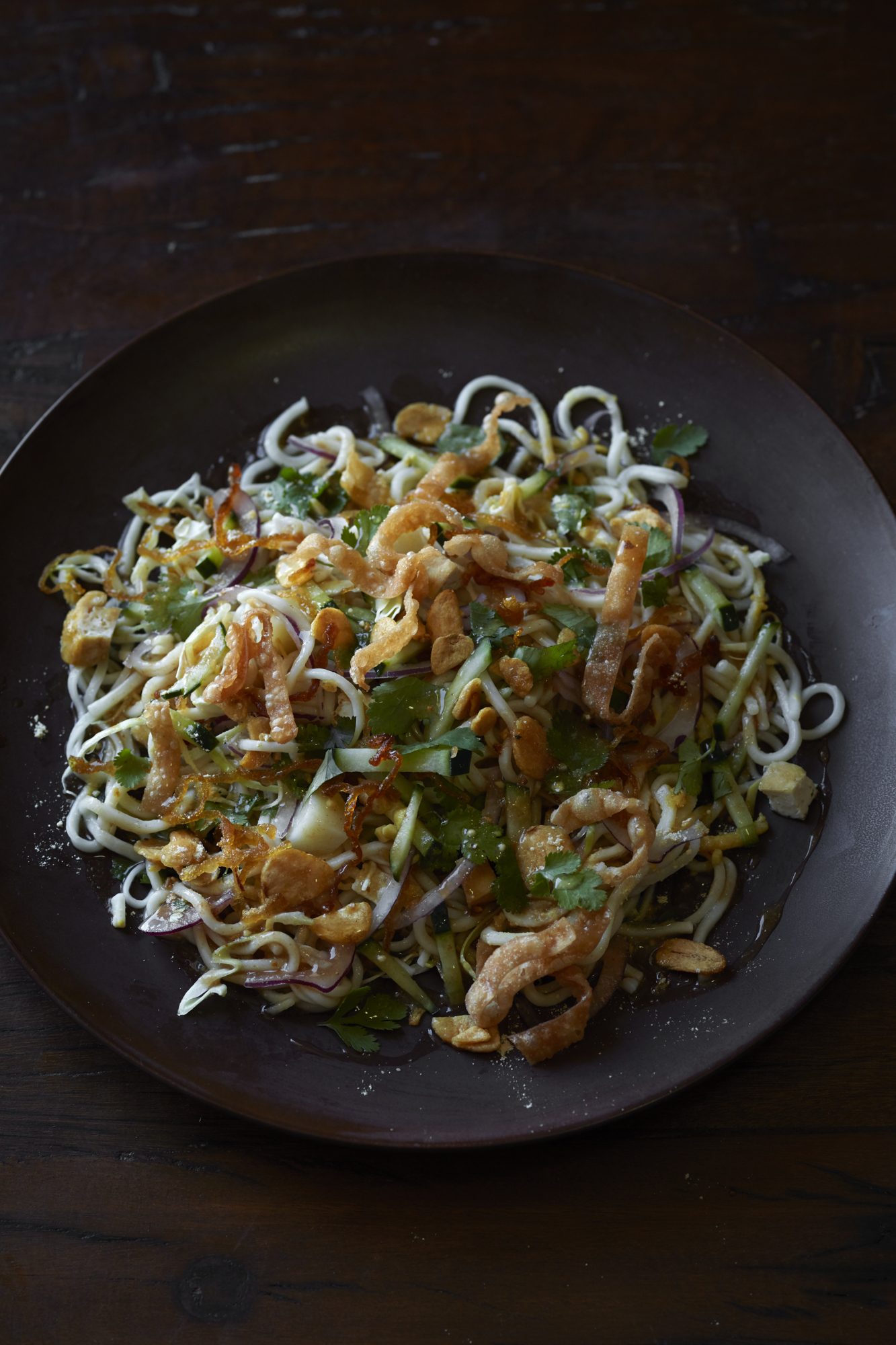
Behind every dish is a person — a founder who believed, a chef who remembers home, a team that has grown up with us.
Immigrants who believed a small Clement Street dining room could change the way the Bay Area ate. Thirty years later, that belief feeds thousands every week.
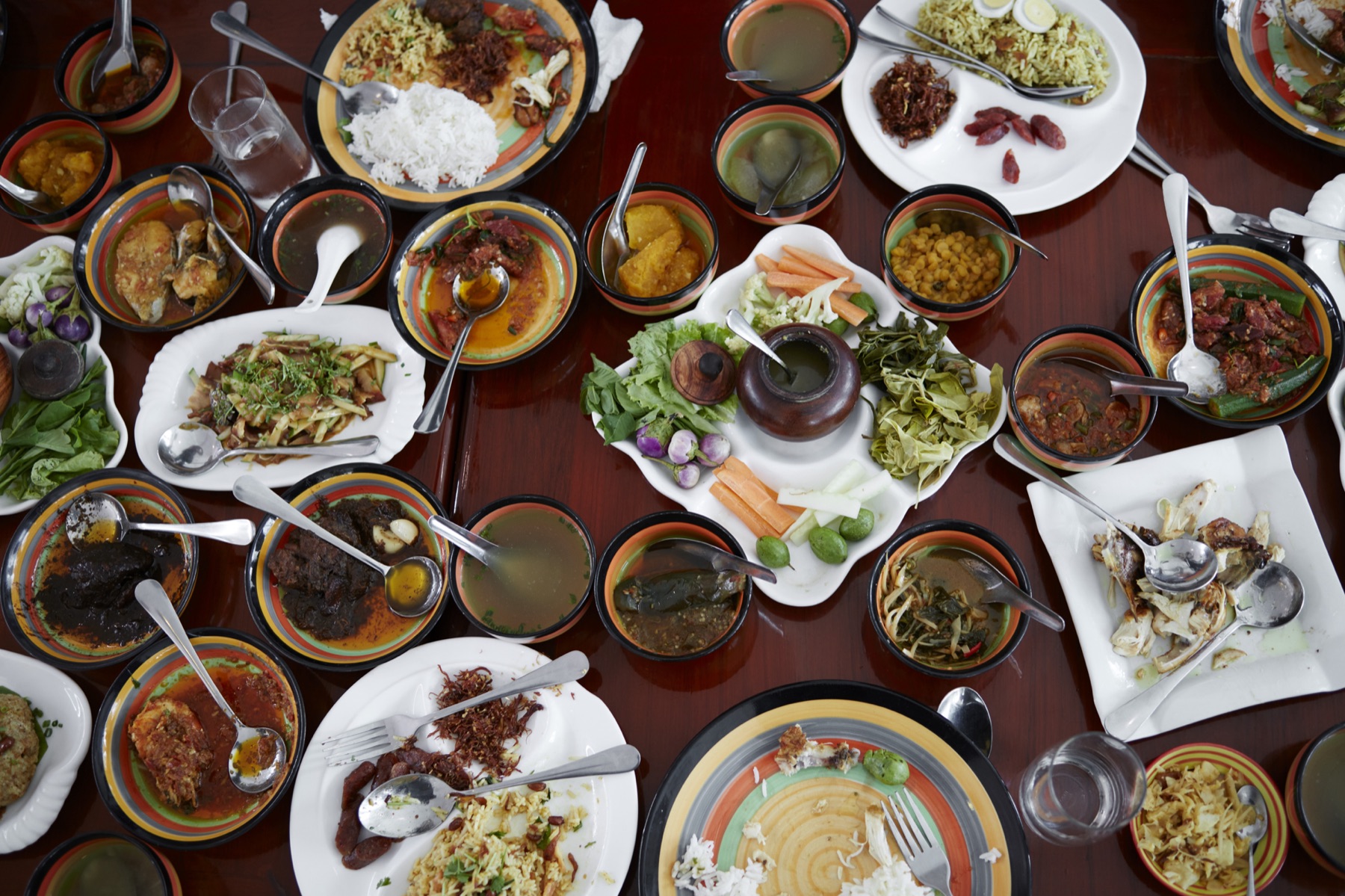
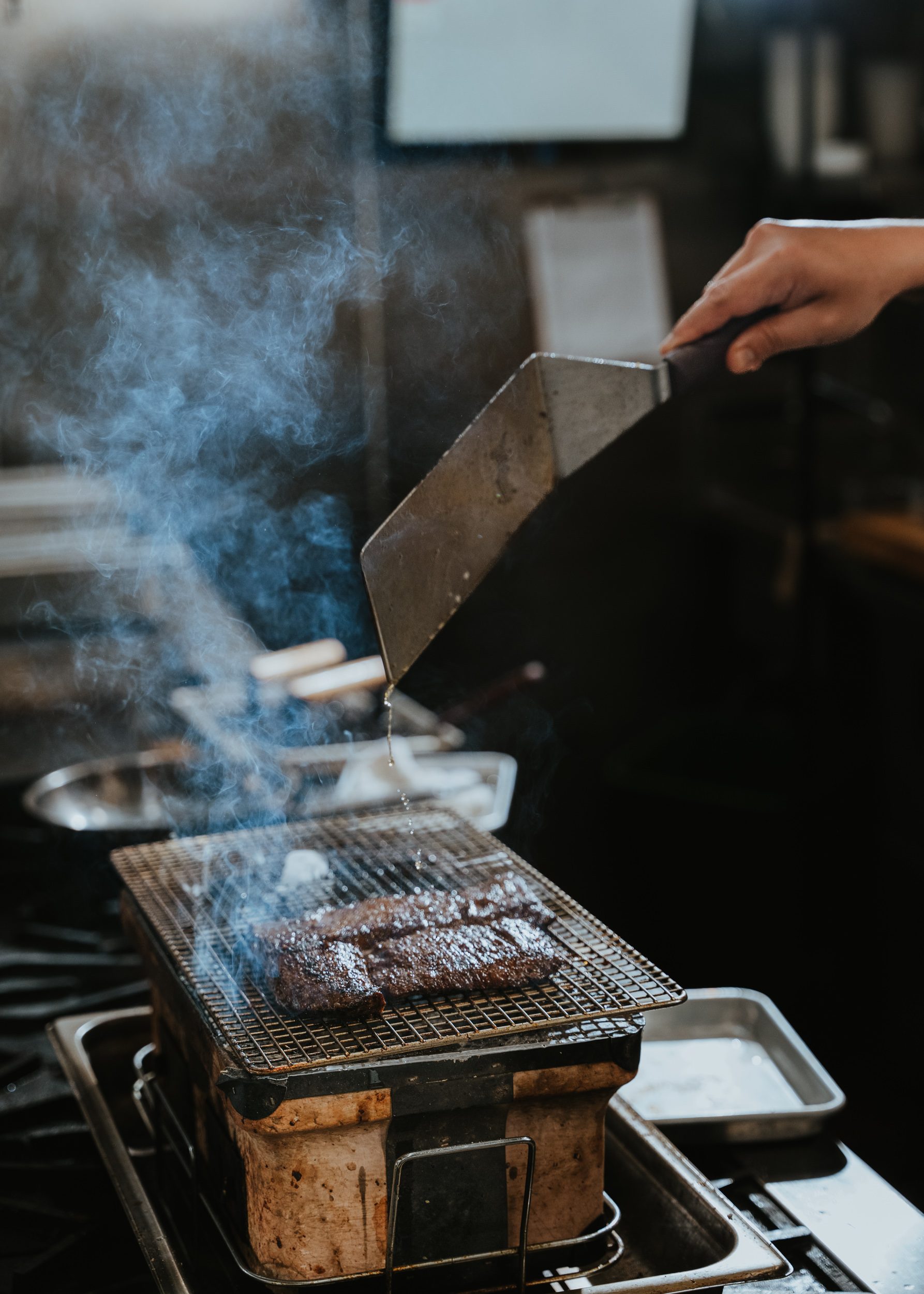
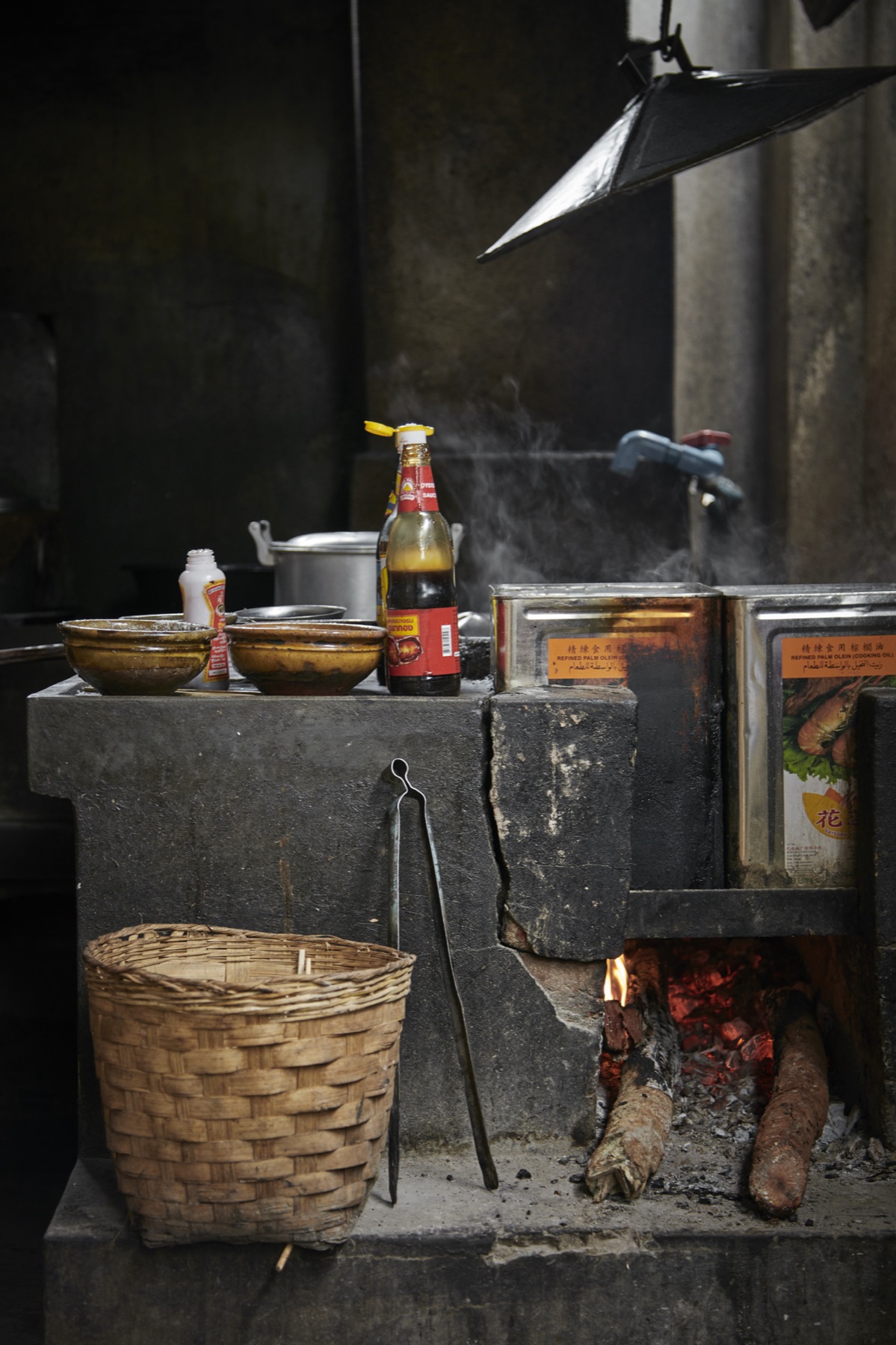
Our kitchens are led by cooks who learned these dishes at home — pounding tea leaf, frying split peas, and balancing the sour, salty, and crunchy that defines a Burmese plate.
Servers, dishwashers, and managers who started with us years ago and never left. Many arrived as newcomers to this country; today they help lead our restaurants.
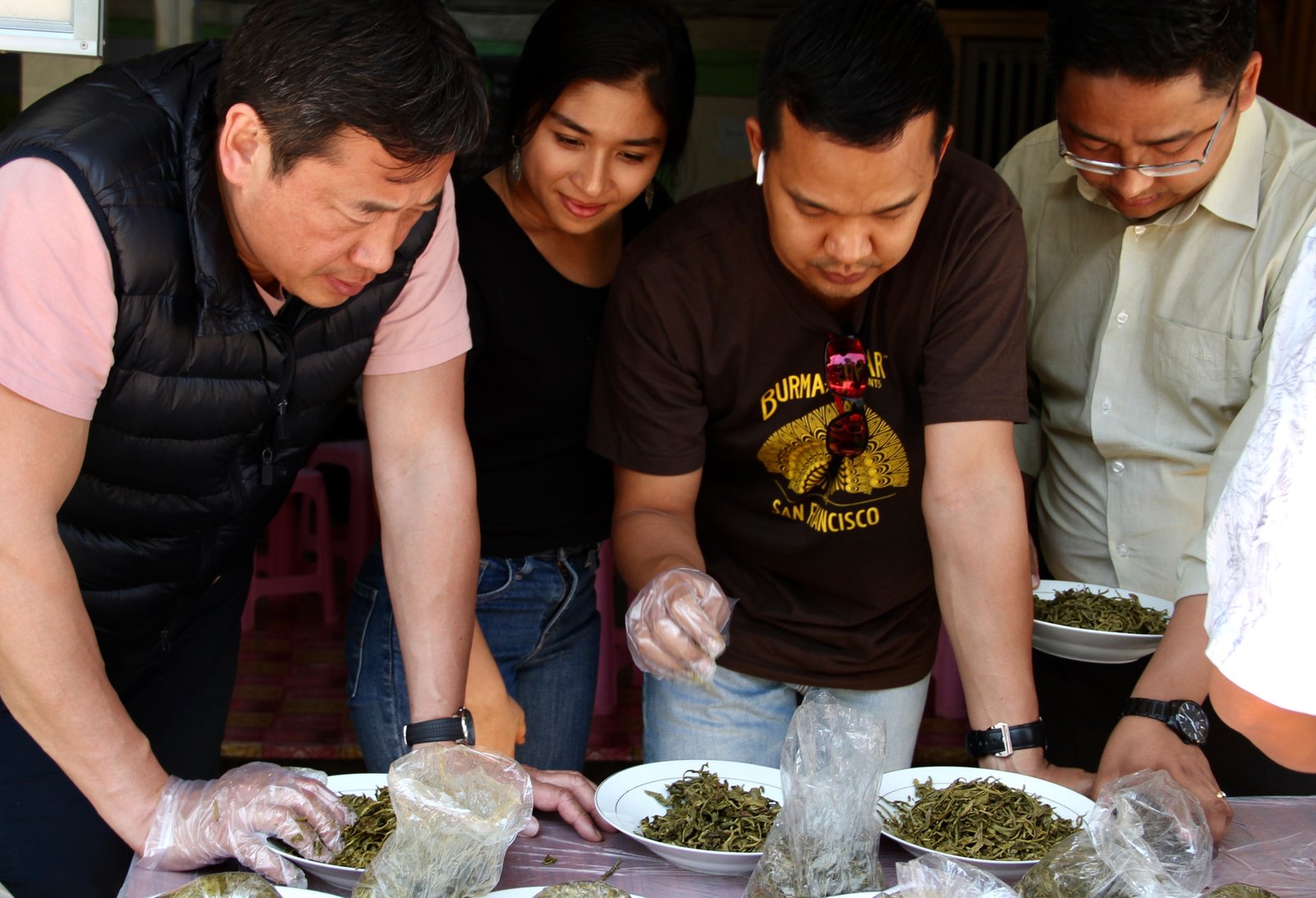
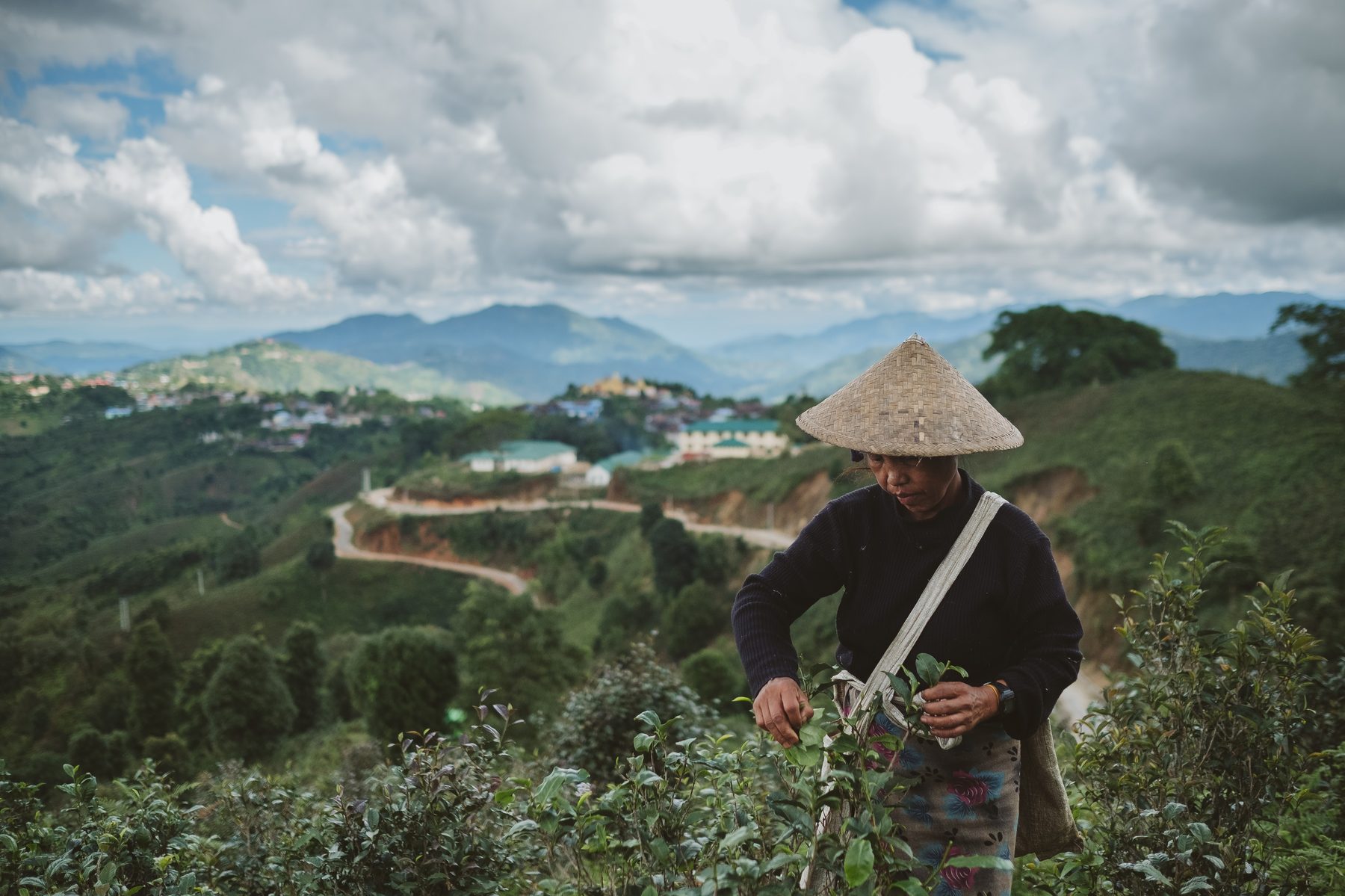
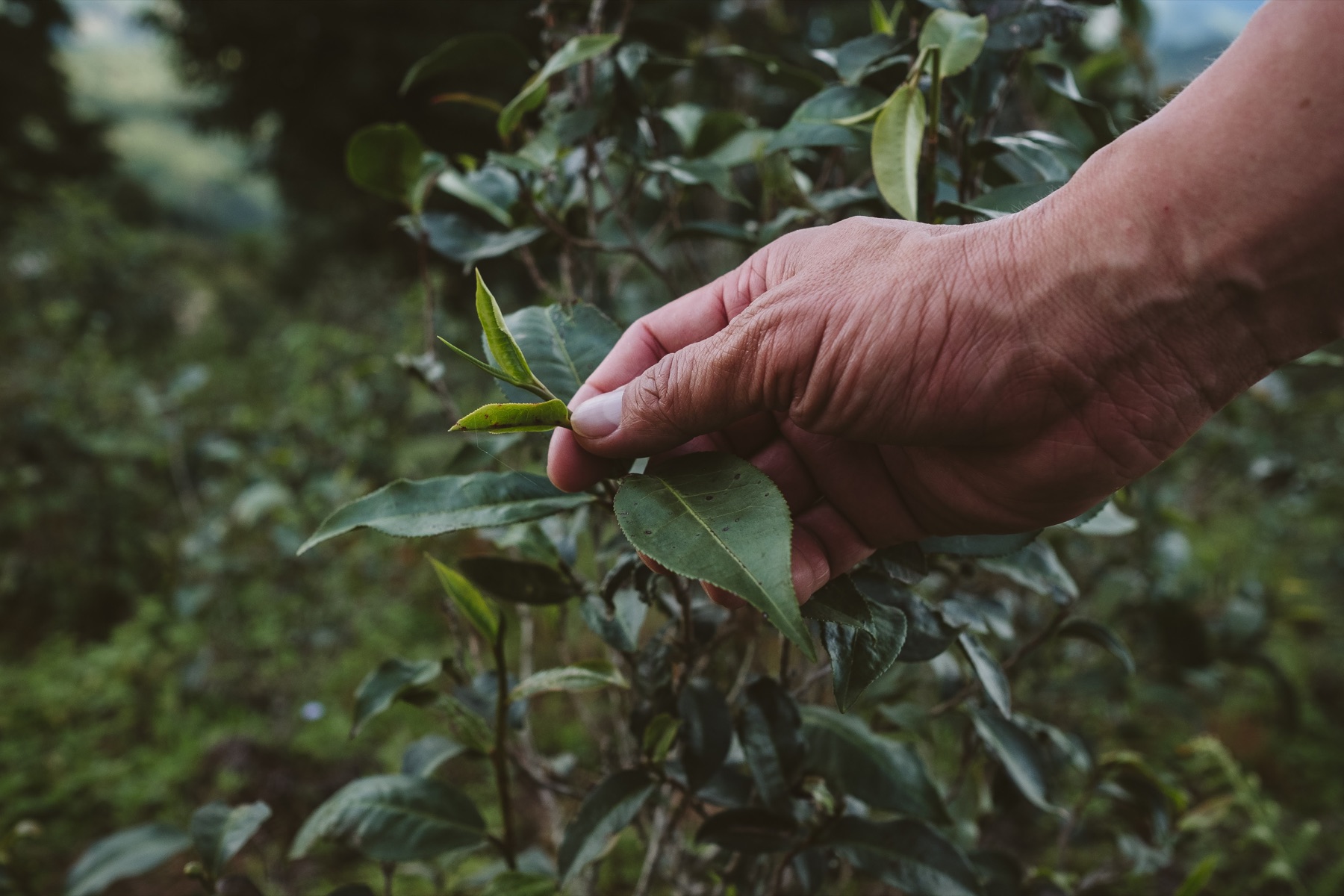
Desmond Tan, our founder, photographed at the Myanmar Tea Association — selecting the pickled tea leaf (lahpet) that sits at the heart of our signature salad. Three decades in, he still makes the trip himself.
It’s the same spirit that runs through every Burma Inc. kitchen: sourced with care, served with warmth, and rooted in the country we come from.
Read the StoryHospitality doesn't end at the door. We invest in education, in opportunity, and in the families who make the Bay Area what it is.
Awarded to students and the children of our team pursuing higher education.
Team members trained and promoted from within over three decades.
First jobs created for newcomers and refugee families resettling in the Bay Area.
Farms, nonprofits, and community organizations we partner with each year.
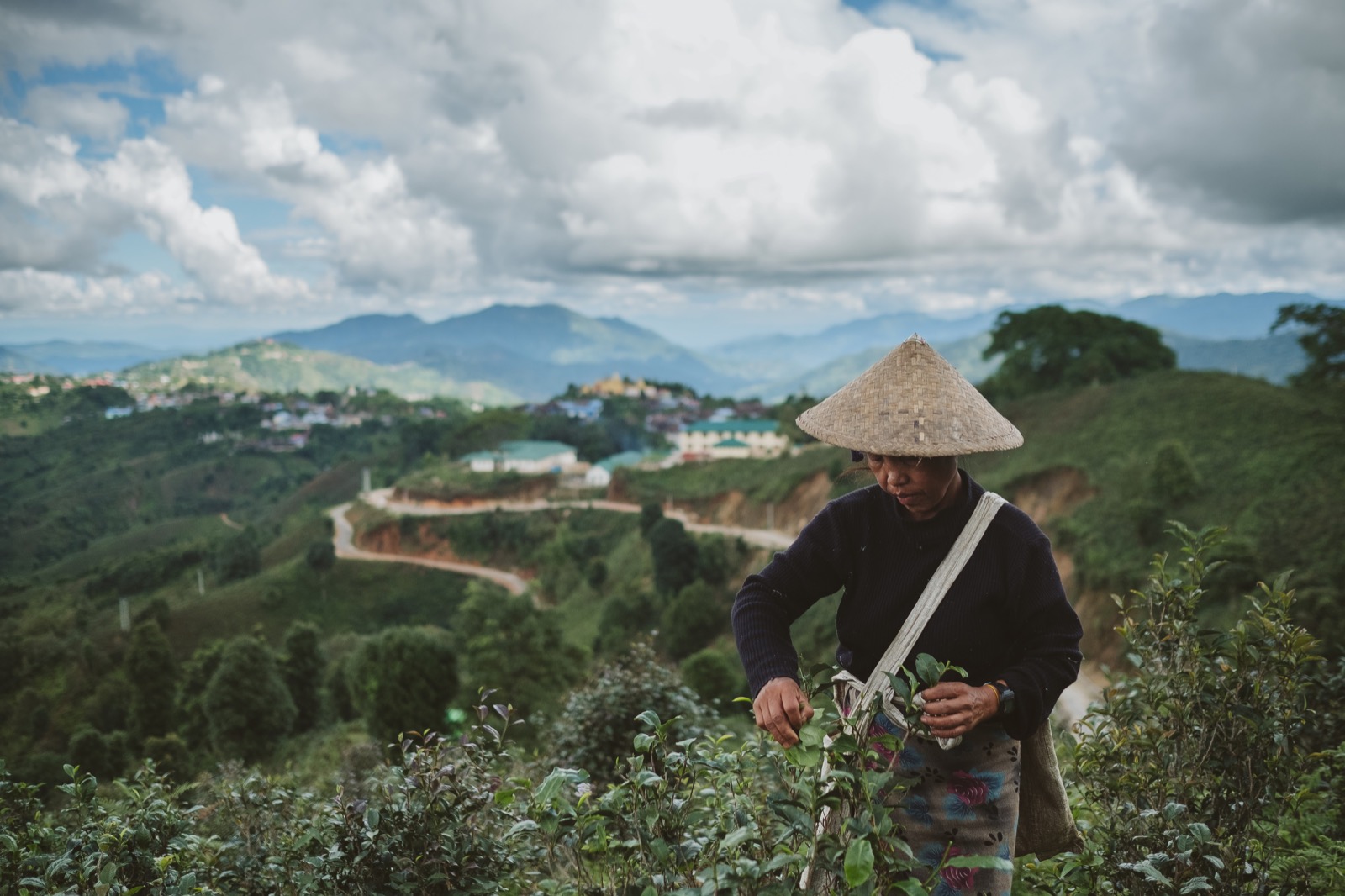
Our tea is sourced directly from farming families in Myanmar, paying fair prices that keep a centuries-old craft alive. Closer to home, our restaurants have long been a first foothold for immigrants and refugees building new lives.
When you share a meal with us, you become part of that circle of giving.
A new chapter in how we invest in our people and community — scholarships, training, and partnerships, all in one place.
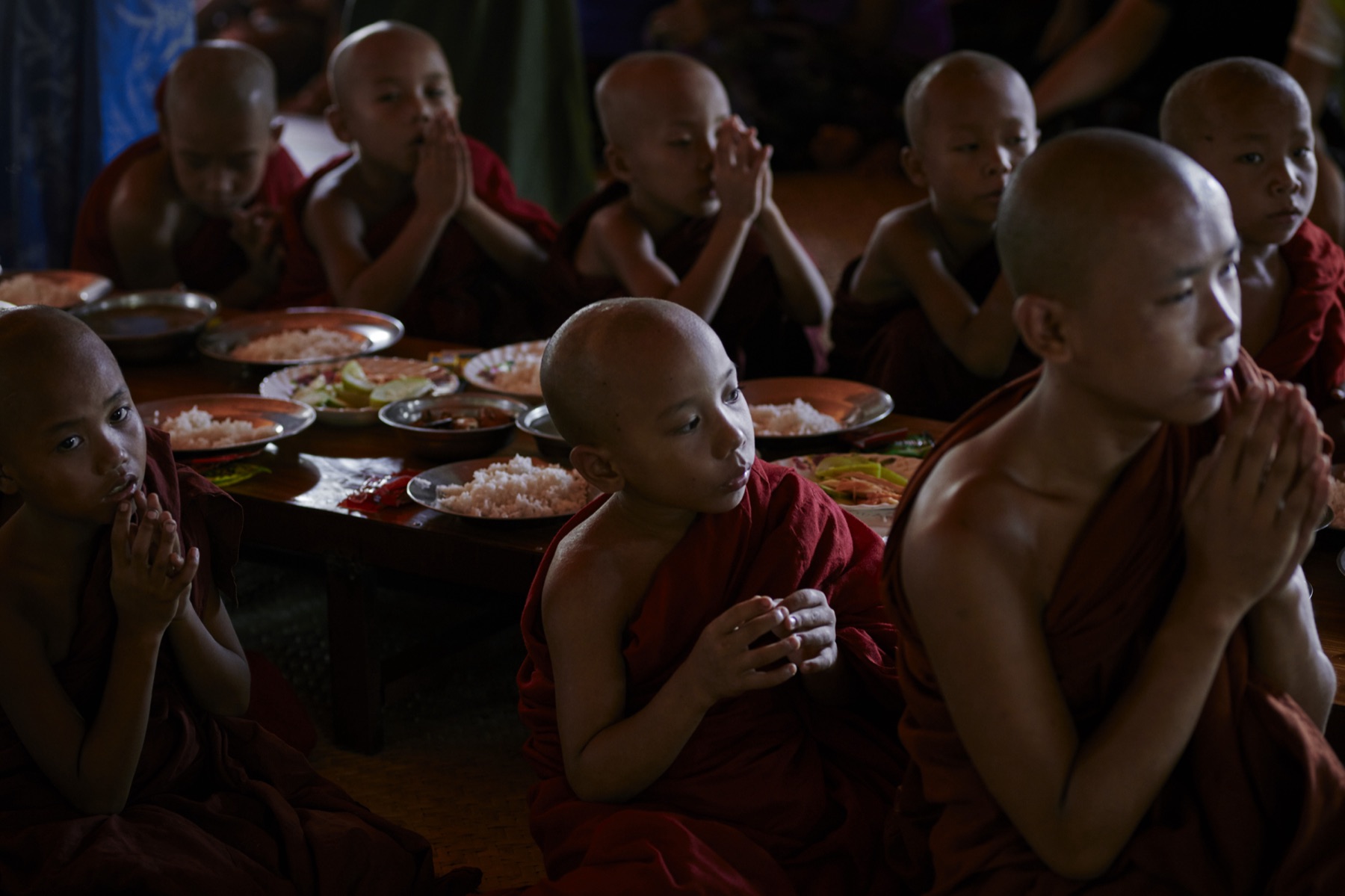
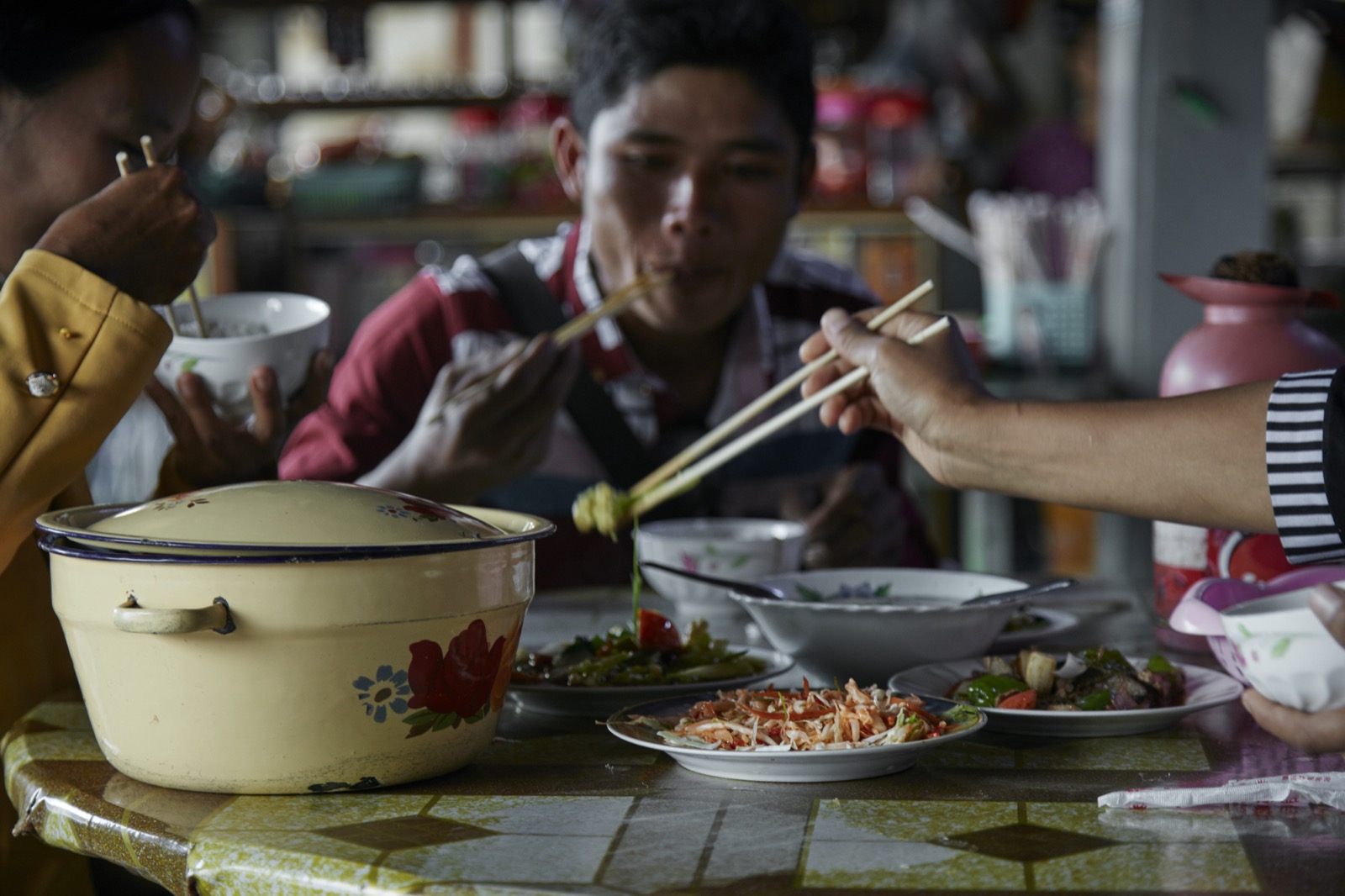
Learn more →Tea leaf traditions, bustling markets, golden pagodas, and a table where everyone is welcome — the culture behind every plate we serve.


Flaky, layered ghee breads griddled hot — pulled, folded, and crisped at the edges.
"Addictive recipes from the crossroads of Southeast Asia."
The Cookbook
Tea leaf salad, samusa soup, coconut noodles, and longtime favorites from our kitchens — adapted for home cooks so the flavors of Burma can live on your table, too.
Available at all our Burma Superstar and Burma Love locations and select Bay Area grocers.
Buy on Amazon →New openings, seasonal menus, and stories from our kitchens — straight to your inbox.